Comparison/Washing machines
Direct Drive: what LG got right, and what it costs you at year eight
Removing the belt removed a whole class of failure. It also concentrated the remaining failures into two components that are not user-serviceable. Here is the honest ledger.
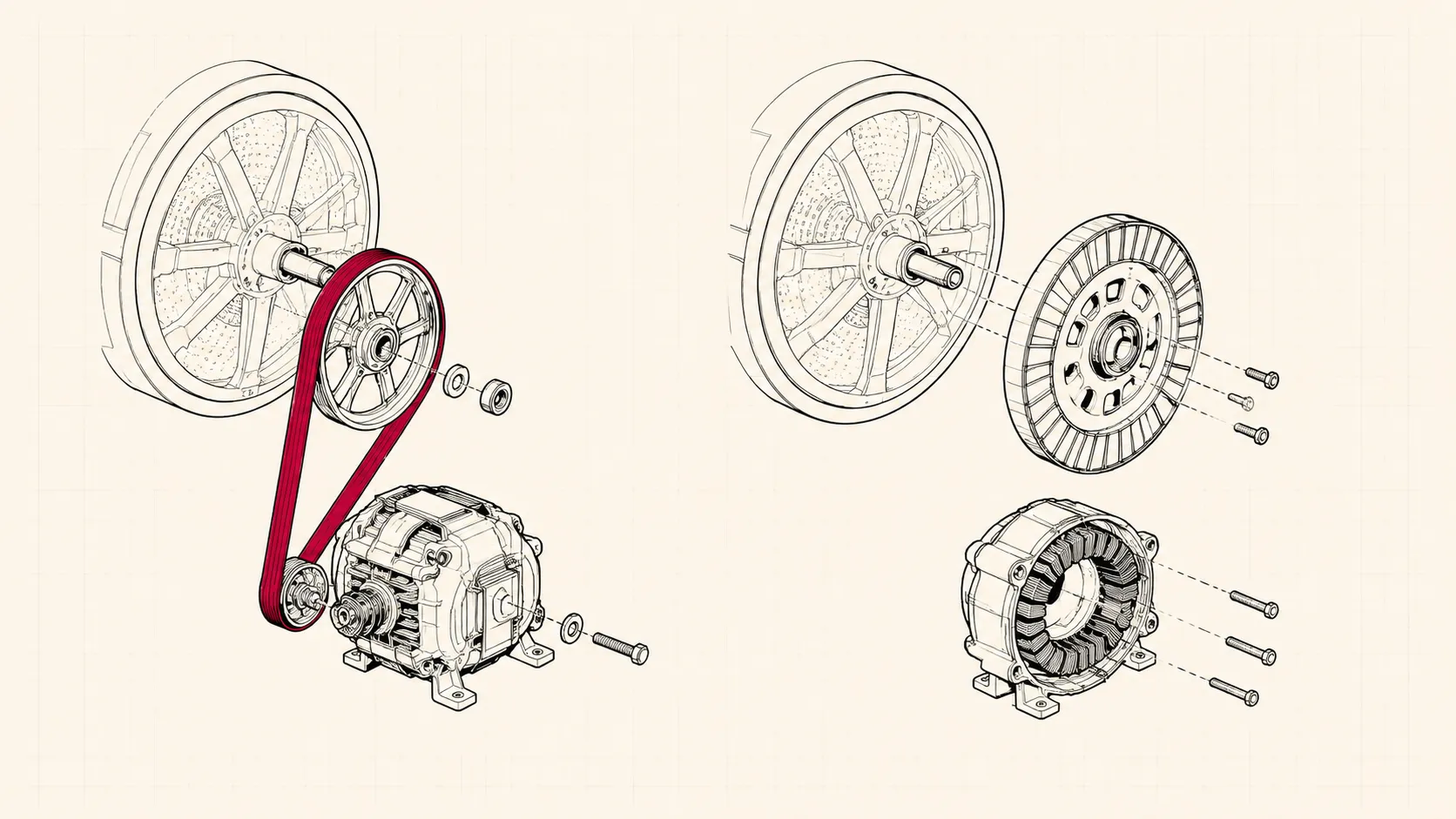
LG has built Direct Drive washing machines for over two decades and warrants the motor for ten years on most ranges. The marketing claim is simple: fewer moving parts, less to go wrong. The claim is broadly true. What the marketing does not describe is where the remaining failures concentrate, and that is the part worth knowing before you buy or before you repair.
What Direct Drive actually is
A conventional washing machine has a motor mounted on the chassis driving the drum through a belt and a large pulley. Direct Drive deletes both: the rotor is bolted straight onto the drum shaft, and the stator is fixed to the rear of the outer tub. The drum is, in effect, part of the motor.
The genuine wins
No belt. Belts stretch, glaze, slip and snap. That whole failure mode disappears, and with it the most common “drum will not turn” call on belt-driven machines.
No pulley bearing, no idler, no tensioner. Three fewer wear items.
Better low-speed control. Because the rotor position is read directly, the machine can hold precise low speeds and do the tumble patterns LG markets as 6 Motion. That is not just a feature list: gentle, controlled agitation genuinely is easier on fabric.
Quieter. Belt whine is a substantial fraction of a washing machine’s noise. Removing it is audible.
Where the failures moved
Deleting components does not delete stress; it relocates it. On a Direct Drive machine, the drum shaft now carries the rotor’s mass and the magnetic loads directly, and everything routes through two components.
The bearings
This is the failure that defines the platform’s practical lifespan. Symptoms arrive in a predictable order: a faint rumble on spin, then a rumble you notice from another room, then a grinding roar and eventually LE or UE as the drum fights its own friction.
The problem is not that bearings fail: every washing machine’s bearings fail eventually. It is that on most LG front-loaders the bearing is pressed into a sealed outer tub. The practical repair is not “replace a bearing”, it is “replace the tub assembly”, and the parts cost frequently approaches the value of a mid-life machine.
The rotor bolt and the stator
The rotor is held on the shaft by a single large centre bolt. When it loosens (from a heavy unbalanced load, or from a previous repair not torqued correctly), the rotor’s splines wear against the shaft. The machine reports LE1 or SE and, once the splines round off, the shaft is finished too.
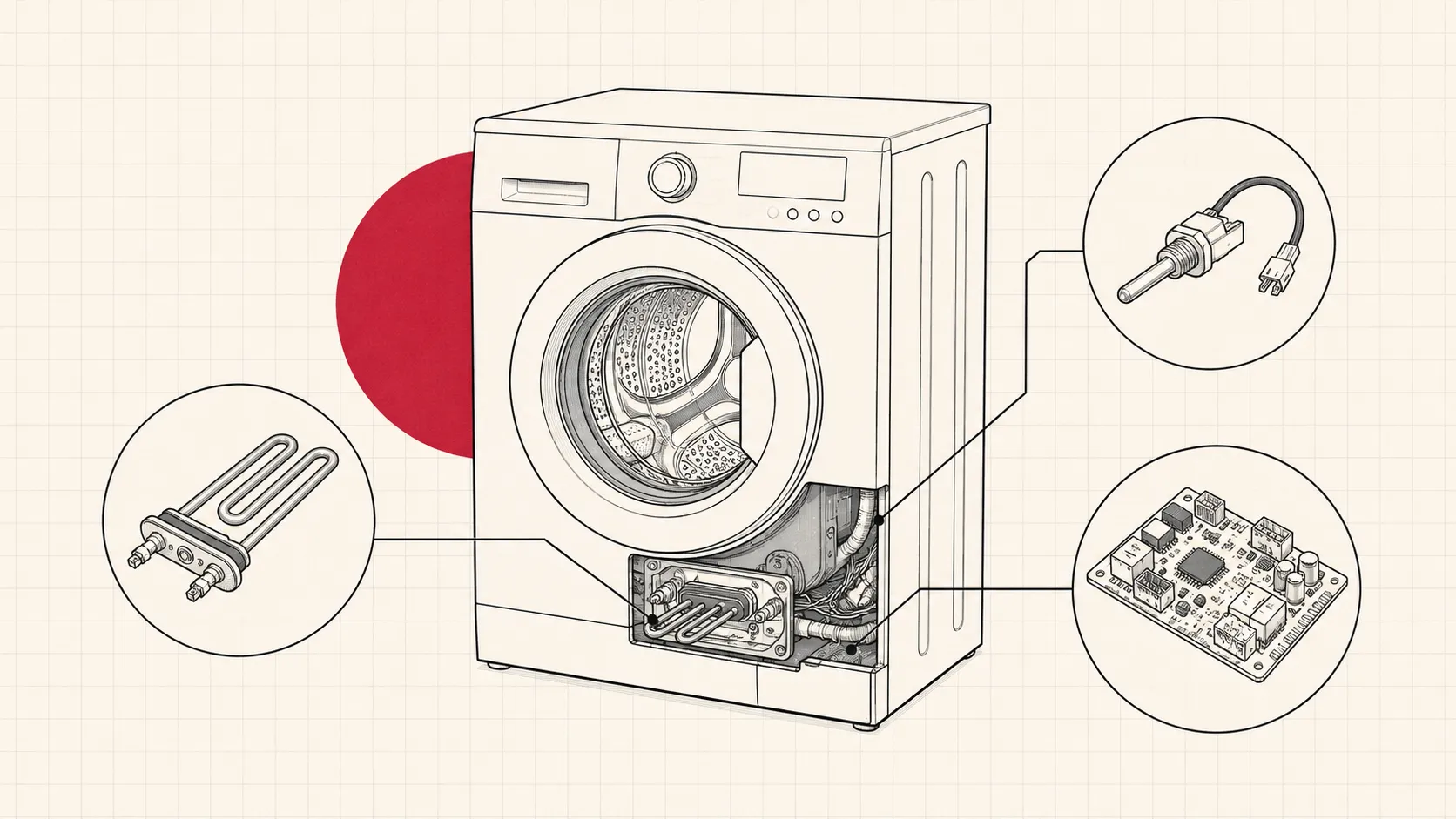
The stator itself is robust, but its Hall sensor connector is not. It is a small three-wire plug in a humid environment, and corrosion there produces intermittent SE, LE and phantom UE that sends people chasing suspension parts they did not need.
Direct Drive failure signatures
- Rumble on spin, rising over months
- Drum bearings
- LE with a drum that turns stiffly
- Bearings or foreign object
- LE1 after a heavy load
- Rotor bolt / splines
- Intermittent SE or UE, drum free
- Hall sensor connector
- Sudden LE, drum free, no noise
- Stator or control board
The ledger
Buy it for: quieter operation, no belt maintenance, gentler wash action, and a motor warranty that is genuinely long.
Budget for: a bearing job somewhere around years seven to twelve depending on load pattern, which on most models is a tub assembly rather than a bearing kit.
Do not assume: that the ten-year motor warranty covers the failure you are most likely to have. It covers the motor. Bearings are not the motor.
Making yours last
Every one of the practical lifespan factors is about load, and all of them are in your control:
- Do not overload. The bearing load rises faster than the mass you add, because an overloaded drum also runs unbalanced.
- Fix imbalance immediately. A machine that reports UE regularly is running its bearings out of round on every cycle.
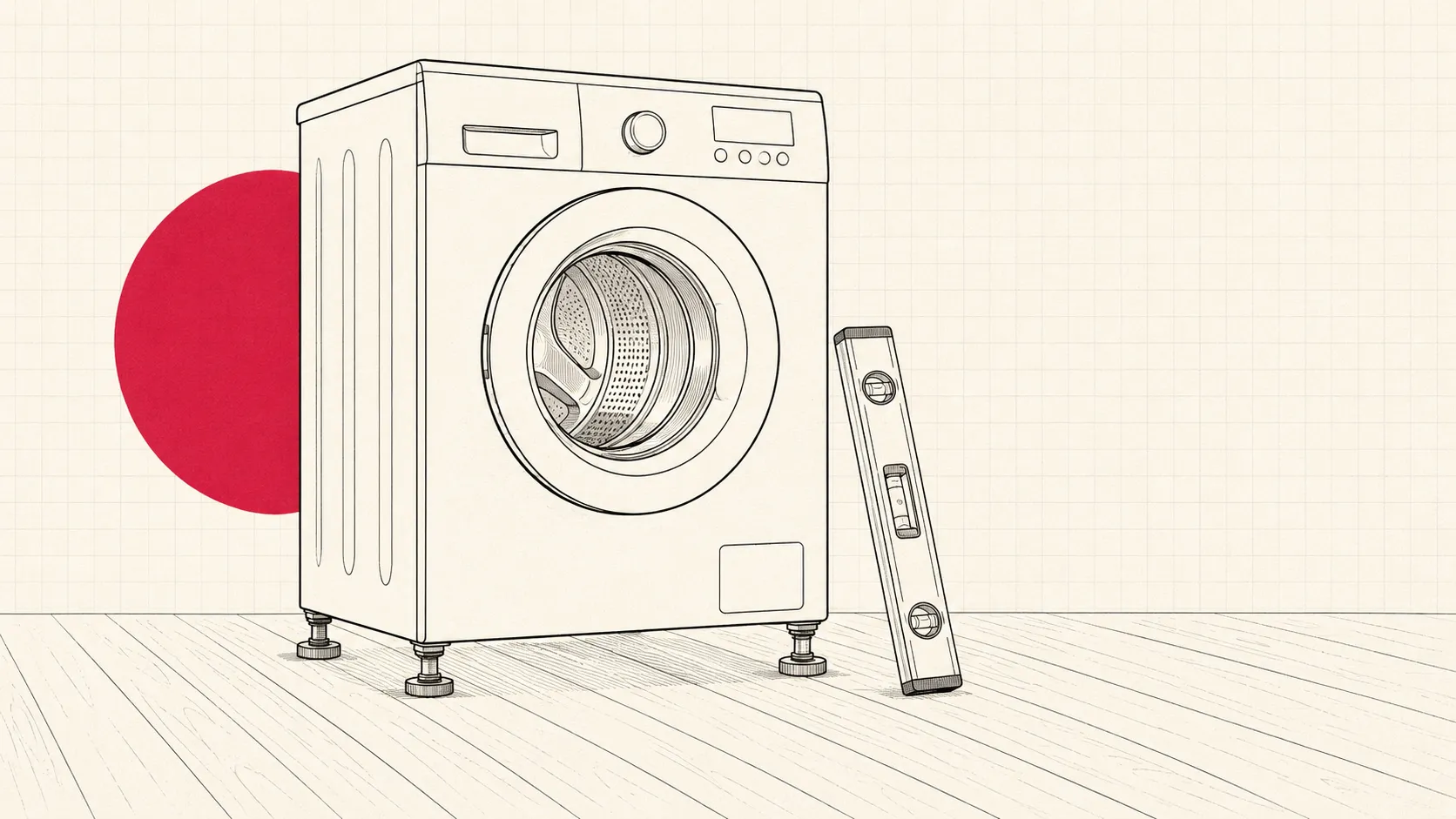
- Level it properly, and tighten the foot lock nuts. A machine that rocks transfers every oscillation into the shaft.
- Do not use it as a spin dryer for single heavy items. One wet rug on a 1,400 rpm spin is the worst thing you can routinely do to the platform.
None of that is exotic maintenance. It is the difference between a bearing job at year eight and one at year fourteen, on a machine that is otherwise very good at its job.
REV 2026.07 · lg-washfix.com