Guide/Washing machines
LG Washer Fabric Softener Left Behind: Diagnose the Dispenser Before Replacing Parts
A measured guide to LG washer softener drawer problems, blocked channels, water pressure checks, and dispenser repairs.
The symptom: softener remains after the cycle
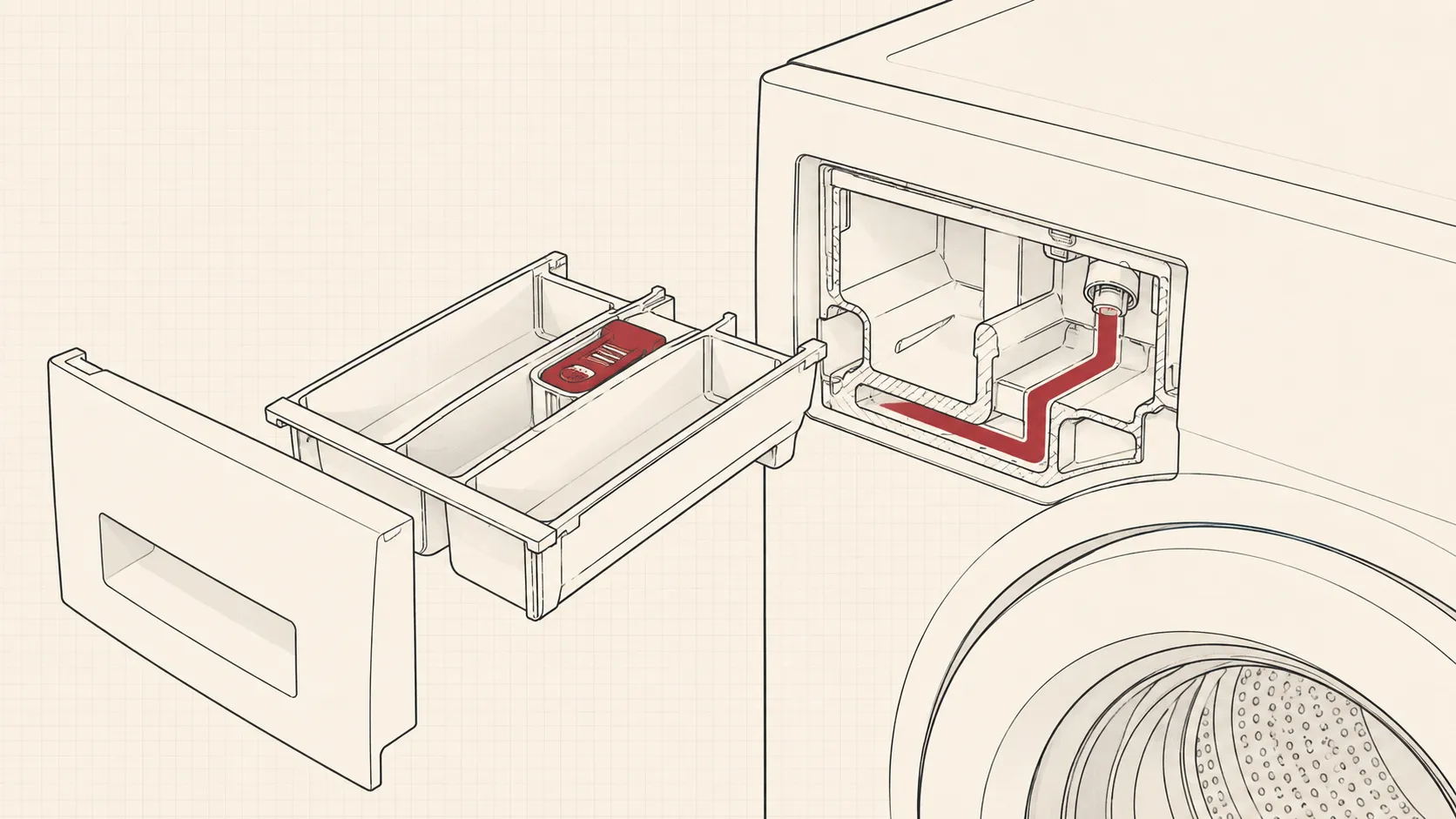
Start with the complaint, not the part. When an LG washer finishes a cycle and the fabric softener compartment is still full, the fault is usually in the dispenser path. It is rarely a failed main control board. The machine has to send water through a small inlet channel, fill the softener cup, and activate the siphon action that pulls the liquid into the tub.
A common mistake is replacing the dispenser assembly before checking the simple causes. A clogged siphon insert, restricted water inlet, or low flow from one dispenser nozzle can create the same symptom.
Check the dispenser drawer first
Remove the drawer and inspect the removable inserts. LG front load washers usually have a fabric softener cup with a siphon cap. This cap must be seated correctly and the small openings must be clear.
Remove the cup and rinse it under warm water. Look for hardened softener residue around the center tube and the small air opening. Concentrated softener can dry into a waxy layer that blocks the siphon path.
The drawer itself should slide smoothly and sit fully closed. If the drawer is not pushed completely in, the water jets may not enter the correct channels.
Do not use a sharp metal tool to open the passages. A plastic brush or soft nylon brush is safer because damaged plastic channels can leak into the cabinet.
Test the water entering the drawer
Verify flow before blaming the dispenser. During the fill stage, water enters the dispenser through inlet ports above the drawer. Remove the drawer and run a short fill test while watching the water flow.
The flow should be strong enough to rinse the compartments, not a slow drip. A weak stream can leave detergent or softener behind because the cup never reaches the siphon point.
Check the household supply first. LG washers generally require both hot and cold supply valves to be fully open, even if a selected cycle uses mostly cold water. A partially closed valve can reduce pressure.
A practical field check is to disconnect the inlet hose and measure the flow into a bucket. A typical home supply should fill a 10 liter bucket in roughly 30 seconds or less. A much slower result points toward a supply restriction, clogged hose screen, or plumbing issue.
Inspect the inlet screens and hoses
Look at the small filters before replacing the valve. The water inlet valve has mesh screens where the hoses connect. These screens catch rust and mineral particles from the water supply.
Shut off the water valves, remove the hoses, and inspect the screens with a flashlight. Do not remove the screens unless you know the valve design allows it. Damaging the valve inlet can create a leak.
Also inspect the hoses for internal collapse. An old rubber hose can look normal outside but restrict flow internally.
If one dispenser section works and another does not, compare the two inlet paths. A blocked softener path with a normal detergent path usually points to the drawer assembly or the corresponding water channel, not the inlet valve.
Confirm the siphon action
The softener compartment depends on a simple mechanical action. The cup does not need a pump. When the water level reaches the top of the insert, the siphon pulls the softener mixture away.
Fill the softener cup manually with water after cleaning it. The water should quickly drain through the center tube once the level reaches the correct height. If it stays full, the insert is blocked or incorrectly assembled.
Do not fill the compartment above the maximum line. Excess softener can overflow and leave residue even when the dispenser works correctly.
When the dispenser assembly is actually faulty
Replace parts only after the flow path is proven. A dispenser housing may be damaged if the drawer leaks, the plastic channels are cracked, or internal passages cannot be cleaned.
Signs of a genuine dispenser assembly problem include water leaking from the front drawer area, repeated blockage after thorough cleaning, or water entering the wrong compartment during testing.
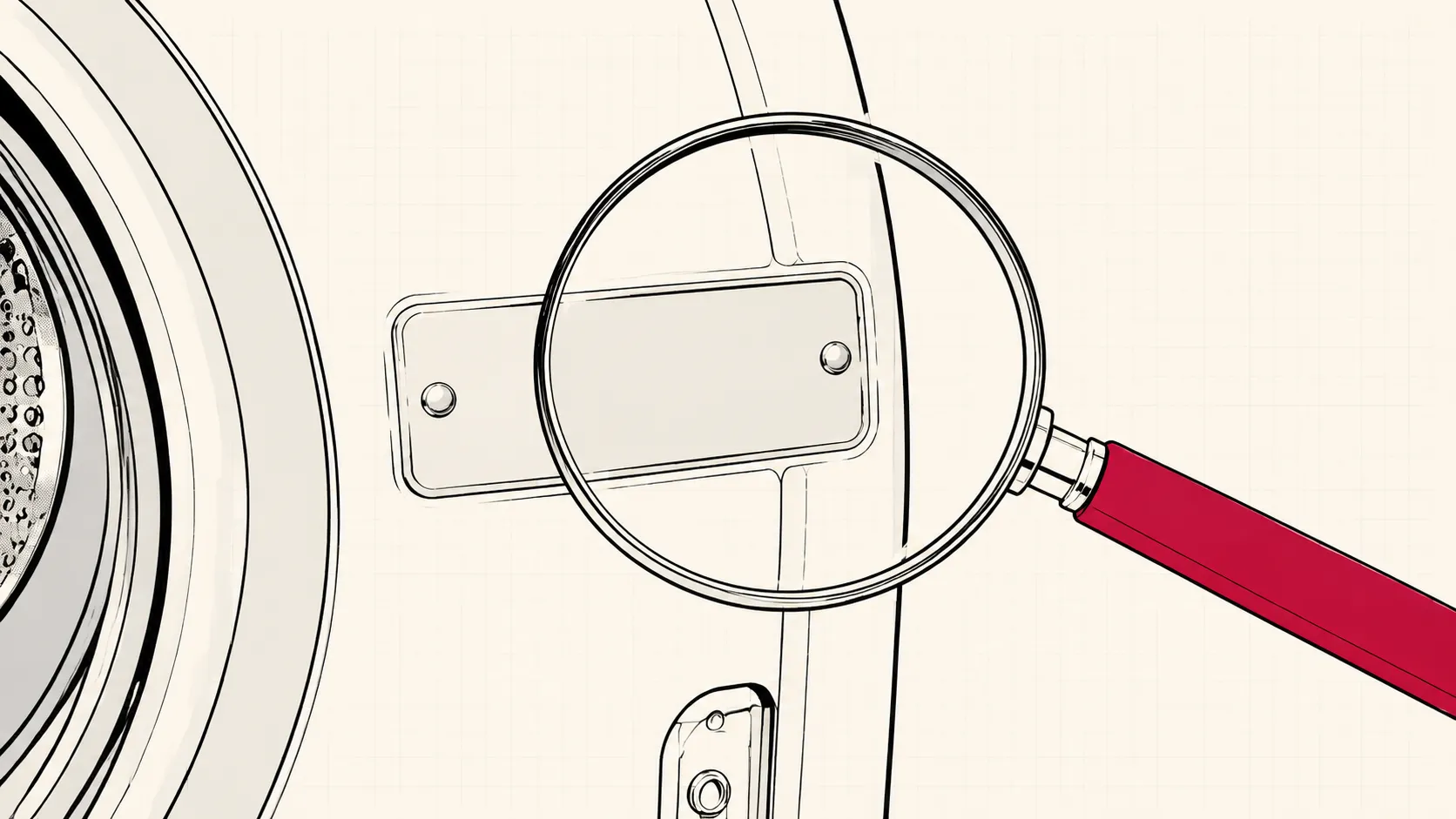
Before replacing the assembly, check the part number from the washer model tag. LG has many similar drawer designs with different inlet layouts.
When to stop and call a technician
Stop testing when electrical checks are required. If the washer has no water entering any compartment, the inlet valve may need electrical testing. A technician can measure valve resistance and confirm whether the control is sending voltage.
If you find water inside the cabinet, damaged wiring, or a leak behind the dispenser housing, do not continue running cycles. Water and electrical connectors should not be mixed.
A softener drawer problem is usually a small flow problem. Clean the path, verify the water supply, confirm the siphon, and only then consider replacing parts.
REV 2026.07 · lg-washfix.com