Guide/Washing machines
LG Washer Vibrating After Installation: Level, Feet, and Floor Checks
Diagnose LG washer vibration after installation with measured checks for leveling, shipping bolts, feet adjustment, and floor stability.
Start with the installation, not the drum
A new LG washer that shakes is often installed incorrectly. Before replacing suspension parts, confirm that the machine is mechanically settled on the floor. A washer can have a healthy motor, drum, and bearings but still walk across the room because the cabinet is not stable.
The first checks should be done before the first service call. Many vibration complaints after delivery come from shipping hardware left in place, uneven feet, or a weak floor surface.
Check the shipping bolts and rear transport hardware
Remove transport hardware before judging vibration. LG front load washers are shipped with bolts and spacers that hold the tub assembly during transport. If these are not removed, the drum cannot move normally during spin.
Look at the rear panel. The transport bolts are usually located around the center and upper rear area of the cabinet. If they are still installed, do not run high speed spin cycles until they are removed.
A washer with transport bolts installed may produce strong cabinet movement, banging, or a machine that appears to jump during spin. This is not a suspension failure. It is a setup problem.
Measure the machine level correctly
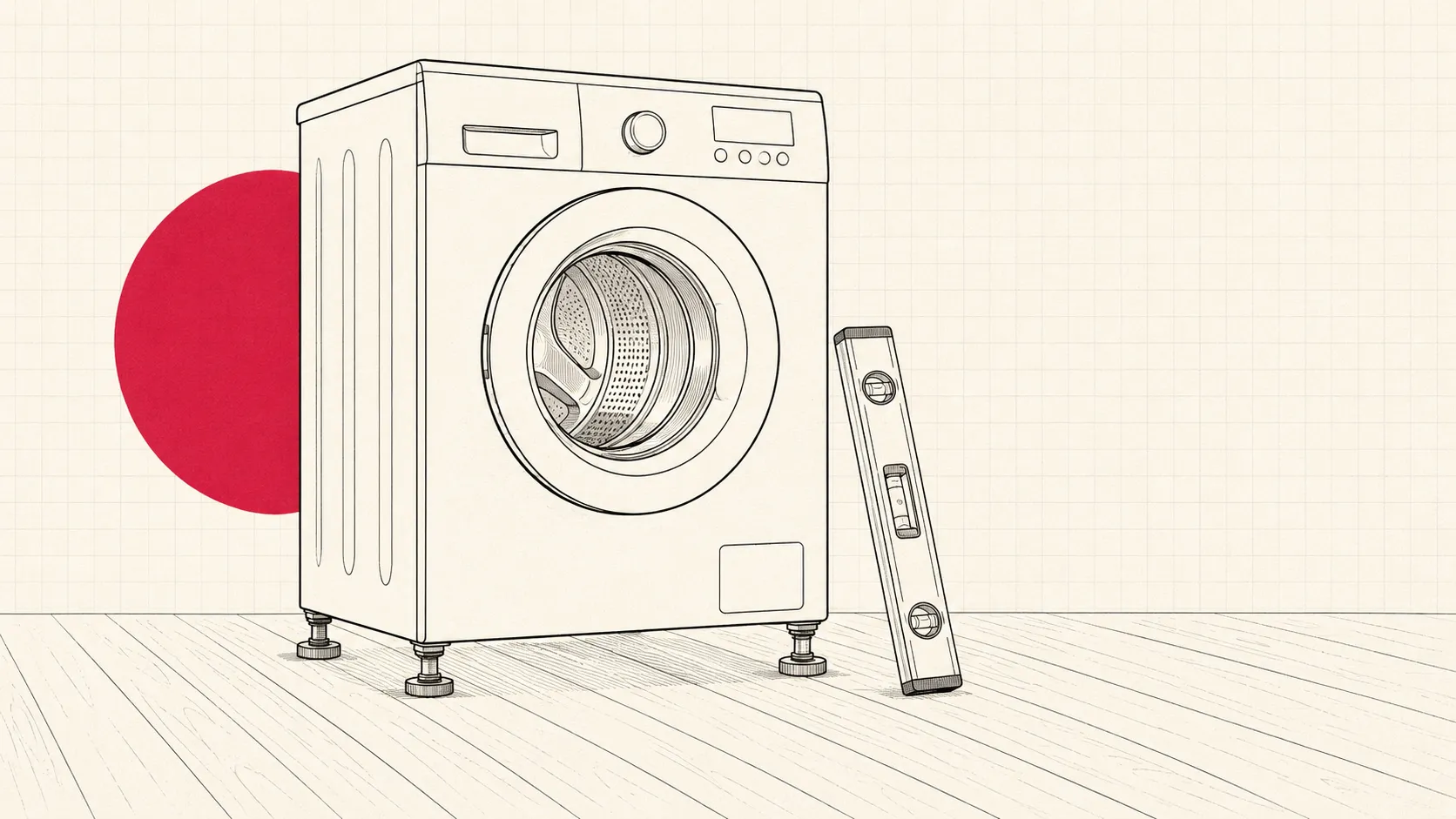
Leveling is a four foot adjustment, not a front only adjustment. Place a bubble level on the top panel from front to back and side to side.
The cabinet should sit flat with all four feet carrying weight. A common mistake is adjusting only the front feet while the rear feet remain loose.
After adjustment, press down on each corner of the washer. There should be no rocking movement. If one corner lifts even a few millimeters, the machine can amplify vibration during a 1000 to 1400 RPM spin cycle.
Lock the adjustable feet with their locking nuts after the final position is set. A foot that slowly turns over time can recreate the same problem.
Check the floor before replacing parts
The floor can create vibration even when the washer is perfect. A washer needs a firm, stable surface. Flexible wooden floors, raised platforms, or damaged subfloors can transfer normal spin forces into the room structure.
Test the floor by standing next to the washer during spin. If the floor moves noticeably under your weight, the installation surface may be contributing to the complaint.
Avoid using soft mats or thick foam pads under the washer. They can allow movement instead of correcting the cause.
Confirm the load is not creating a false diagnosis
A single heavy item can imitate a machine fault. Bath mats, blankets, and large towels can collect water on one side of the drum and create an uneven load.
Run a spin cycle with several similar lightweight items. If vibration disappears with a balanced load, the washer may not have a mechanical problem.
Do not diagnose suspension, bearings, or the motor from one bad load. A service technician should reproduce the symptom with a controlled test load.
Inspect suspension parts only after setup checks
Suspension inspection comes after installation verification. LG front load washers use dampers and springs to control tub movement. These parts can wear, but they are not the first cause to suspect on a recently installed unit.
With the washer unplugged, open the door and press the drum downward. The tub should move smoothly and return without repeated bouncing. Excessive bouncing can indicate worn dampers.
A damaged spring, loose counterweight, or worn damper may require repair. These checks involve internal access and should be done only after power is disconnected.
When to stop and call a technician
Stop using the washer if movement is extreme or new. Call for service if the cabinet hits walls, the drum makes metal contact sounds, there is a burning smell, or vibration continues after transport bolts, leveling, and floor checks are confirmed.
A technician should inspect internal mounting points, dampers, springs, counterweights, and tub assembly alignment. Do not keep running severe vibration cycles because repeated impacts can damage hoses, wiring, and cabinet parts.
Final bench check
A stable LG washer should stay planted during spin. The goal is not zero movement. The tub must move inside the cabinet while the cabinet remains steady.
Most post installation vibration problems are solved with correct transport bolt removal, accurate foot adjustment, and a solid floor. Those checks should always come before ordering expensive parts.
REV 2026.07 · lg-washfix.com