Guide/Refrigerators
LG Refrigerator Making Noise: Fans, Compressor, and Vibration Checks
A measured guide to LG refrigerator noises, showing how to separate normal sounds from fan, compressor, and vibration problems.
Start with the type of noise, not the part
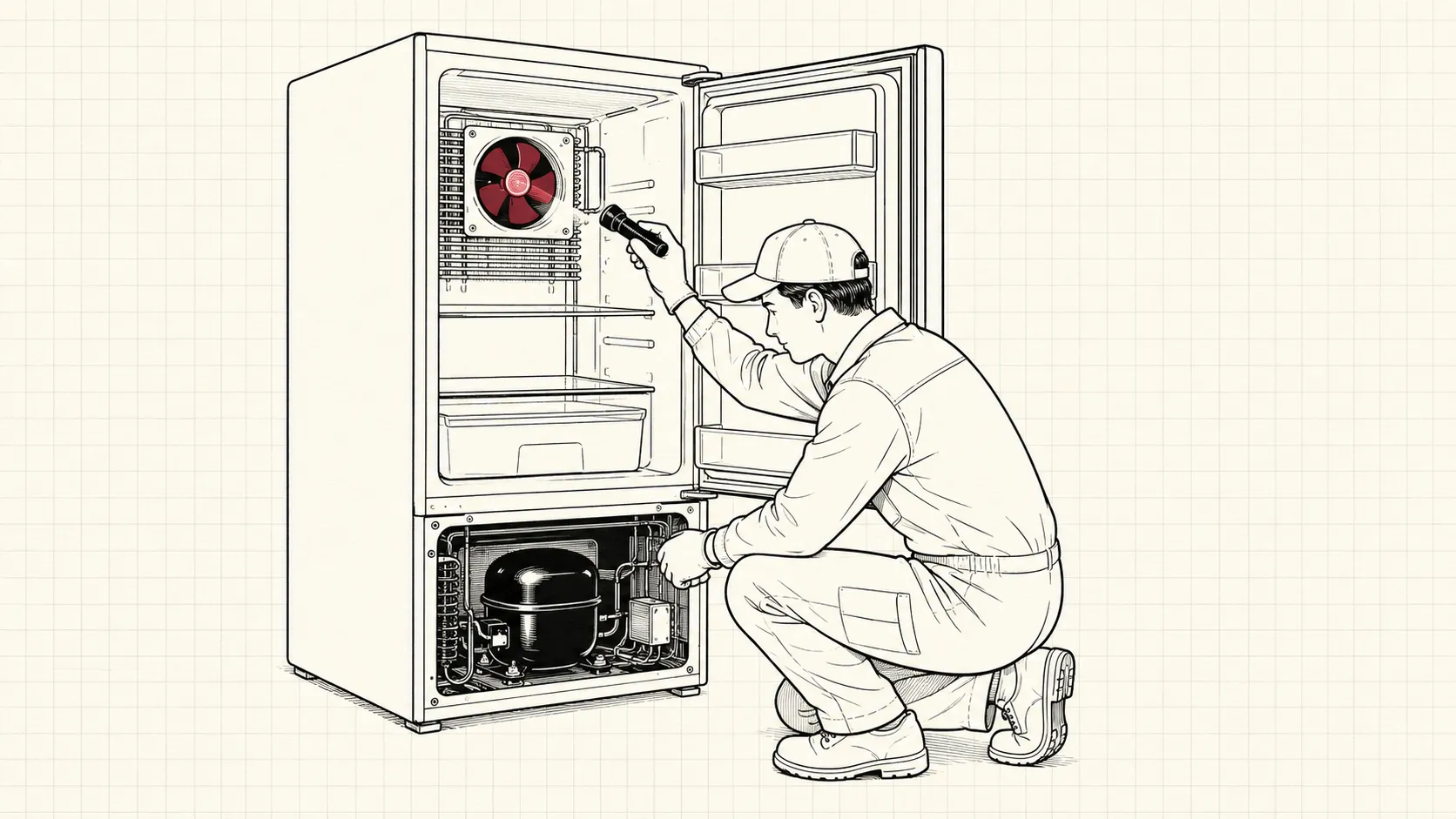
The sound location matters. A refrigerator does not make one single operating noise. LG units use several moving components, including the evaporator fan, condenser fan, compressor, ice maker motor, and refrigerant system. A clicking sound from the control area is not diagnosed the same way as a grinding sound from the freezer.
Record the symptom first. Note when the noise happens, how long it lasts, and whether it changes when a door opens. Many LG refrigerators will temporarily stop the evaporator fan when the freezer door is opened. That simple test can separate a fan issue from a compressor or cabinet vibration.
Normal sounds should be identified before repairs. A short humming period after a temperature change is expected. A compressor may run for several minutes or longer after the doors have been opened frequently. Occasional clicks from relays and light pops from plastic panels expanding are also common.
Check the evaporator fan inside the freezer
The freezer fan is one of the first checks. A damaged evaporator fan can create a buzzing, rubbing, or squealing noise that changes with door position. The fan sits behind the rear freezer panel and moves cold air through the refrigerator compartment.
Listen for a change with the door switch test. Open the freezer door and press the door switch if the model uses a physical switch. The fan should usually stop when the door circuit is active. If the noise disappears immediately when the fan stops, inspect the fan area before replacing controls.
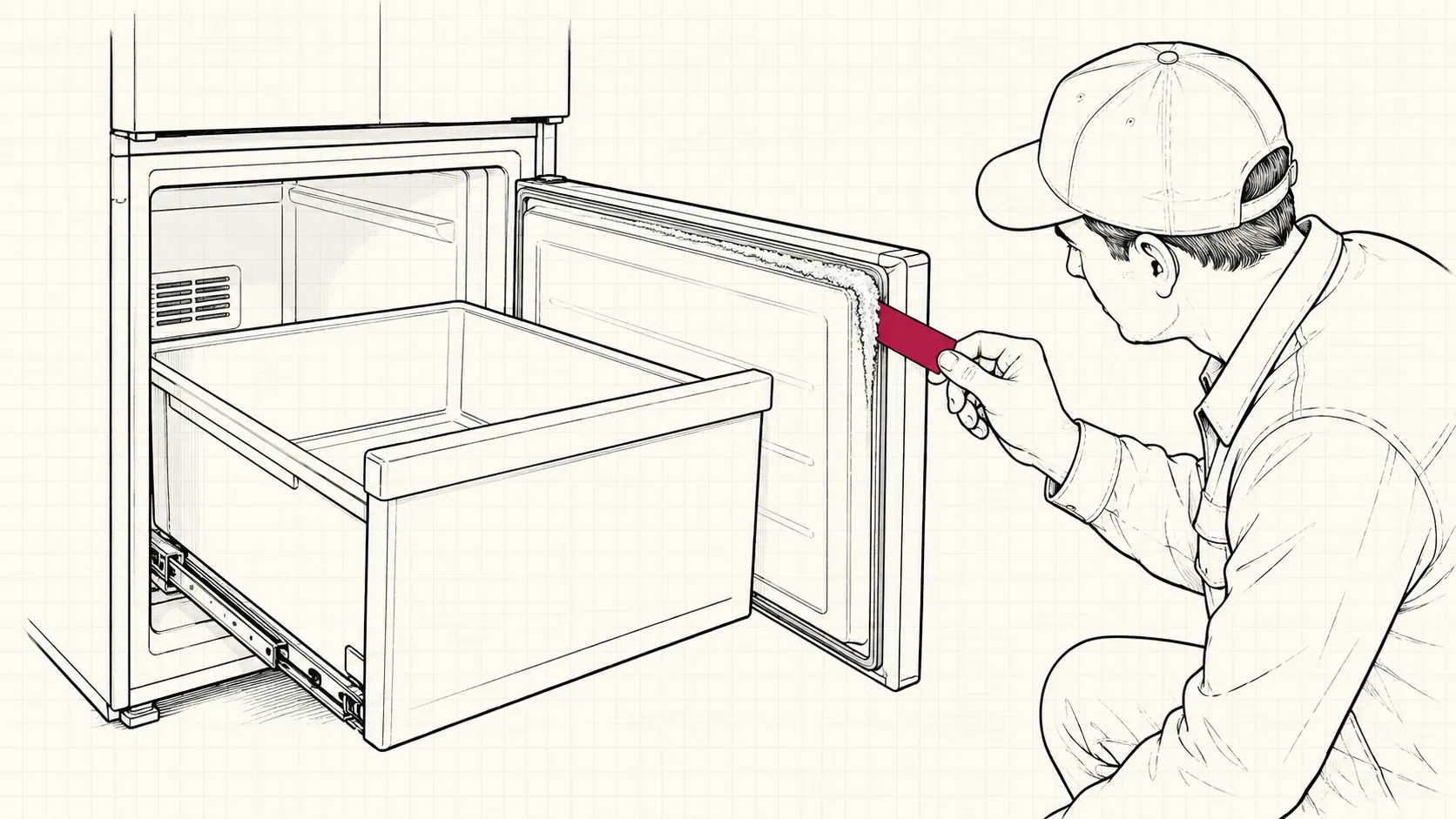
Look for ice interference. Ice buildup around the evaporator cover can contact the fan blade and create a repeating scraping sound. Do not force the fan blade by hand. If the panel is heavily iced, the cause may involve a defrost problem rather than a failed fan motor.
Check the condenser fan and compressor area
The lower rear compartment has different clues. Many LG refrigerators have a condenser fan near the compressor. Dust buildup, a loose cover, or a worn fan motor can produce a rattling or buzzing noise from the back of the appliance.
Inspect airflow with power removed. Disconnect power before removing any lower cover. The condenser fan should turn freely without scraping the housing. A fan blade that contacts the shroud can create a vibration that sounds like a compressor failure.
Do not judge the compressor by sound alone. Compressors normally produce a steady low hum. A compressor that struggles to start may make a click followed by a pause, with the pattern repeating every few minutes. Electrical diagnosis requires proper tools and should be handled by a qualified technician.
Check for cabinet and installation vibration
Many noise complaints are not failed parts. A refrigerator can amplify small vibrations when it touches a wall, cabinet, or uneven floor. The vibration can travel through panels and sound much louder than the original source.
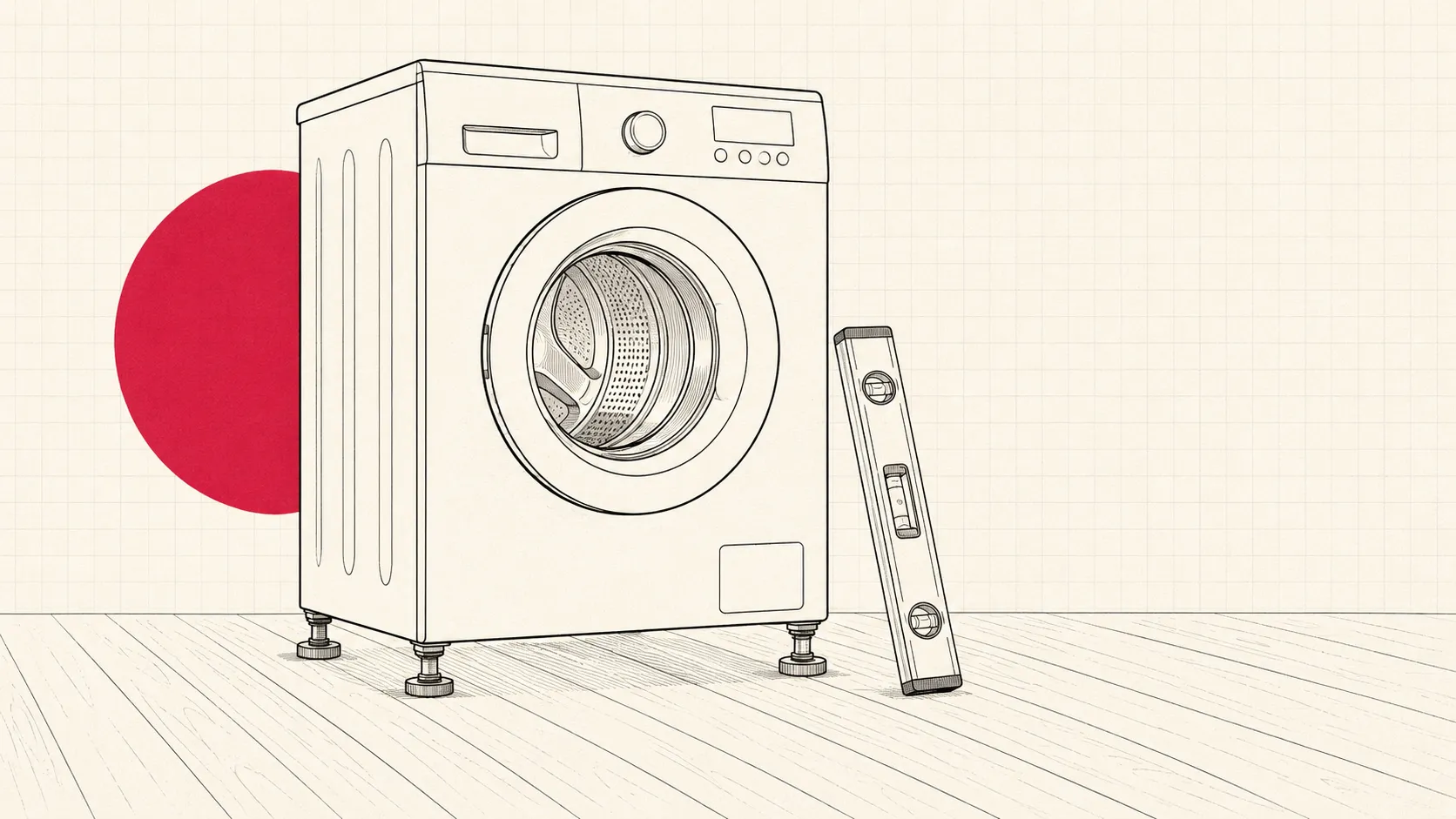
Check the leveling points. LG refrigerators use adjustable front leveling legs or rollers depending on the model. The cabinet should sit stable, with no rocking movement when you gently push from the top corners. A stable cabinet reduces panel vibration and compressor noise transfer.
Inspect nearby objects. Bottles, shelves, drip trays, and containers inside the refrigerator can create buzzing or rattling sounds. Remove loose items one at a time while the noise is present to identify external vibration sources.
Measure before replacing components
Use a repeatable test. A good diagnosis follows the noise through several operating conditions. Record whether the noise appears during cooling start, defrost cycle, ice production, or continuous running.
Check temperature performance as well. A noisy refrigerator that maintains correct temperatures may have a vibration or fan issue. A refrigerator with unusual noise and rising temperatures requires faster attention because airflow or cooling performance may be affected.
Avoid replacing boards based only on sound. Control boards are expensive parts and are often replaced unnecessarily when the actual problem is a fan blade, mounting issue, or obstruction.
When to stop and call a technician
Stop testing when electrical access is required. Compressor terminals, sealed system components, and refrigerant circuits require specialized procedures. Do not open refrigerant lines or attempt compressor electrical testing without the correct equipment and training.
Call for service when the noise is combined with cooling loss. A refrigerator that becomes louder while temperatures rise, a compressor that repeatedly clicks off, or a fan that does not run after basic checks needs a proper diagnosis.
A good repair starts with evidence. Identify the sound, locate the area, check simple mechanical causes, and only then consider replacing a component. That process prevents unnecessary parts replacement and gives a technician the information needed for a faster repair.
REV 2026.07 · lg-washfix.com